
.webp)


Introduction
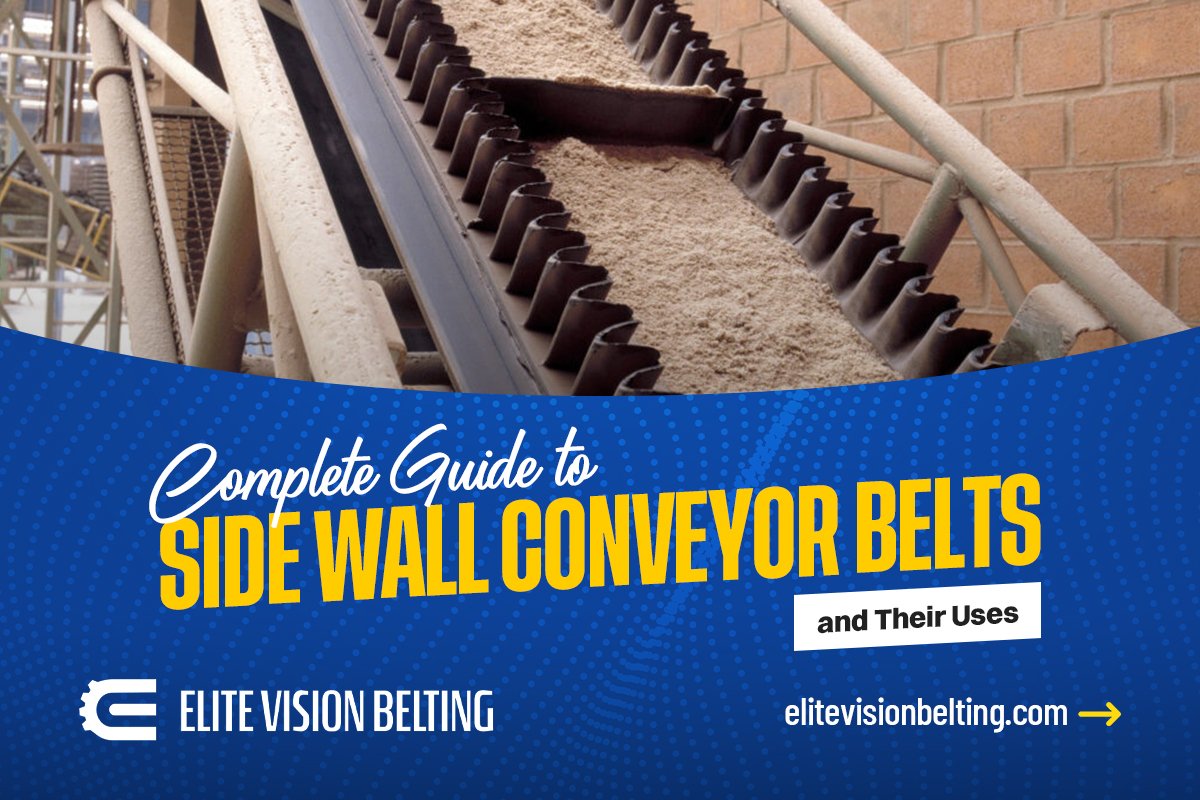
A side wall belt conveyor is a type of conveyor belt that has raised edges on both sides. These side walls help keep the material on the belt and stop it from falling during movement. It is mainly used when materials need to be carried at an angle or lifted to a higher level.
In today’s world, many industries use side wall belt conveyor systems because they save space and move materials safely and smoothly. They are helpful for handling bulk materials like grains, coal, sand, or other loose products. Because of their simple design and reliable working. Side wall conveyor belts have become a common choice in modern industries.
What Is a Side Wall Conveyor Belt?
A side wall conveyor belt is a type of conveyor belt that has raised side walls on both sides. These side walls help keep materials on the belt and stop them from falling during movement. It is mainly used in when materials need to be carried at an angle or lifted to a higher level.
The main parts of a side wall conveyor belt are , side walls, and cleats. The belt carries the material, the side walls and hold it in place, and the cleats help move the material upward without slipping and falling. This simple design makes the side wall conveyor belt very useful for handling loose or bulk materials in many industries.
How a Side Wall Conveyor Belt Works
Side wall conveyor belts are made to move material in a safe and smooth way. When the belt starts moving with material, the material is placed on the flat surface of the belt. The belt carries the material forward without shaking or slipping and falling. This helps keep the flow steady and controlled.
The side walls on both sides of the belt play an important role. They stop the material from falling off, even when the belt moves at an angle. Because of these side walls, side wall conveyor belts can carry loose or bulk material easily.
These belts can work in both directions horizontal and vertical. They can move material straight, upward, or at an incline. This makes side wall conveyor belts very useful in industries where space is limited and material needs to be lifted to a higher level.
Uses of Side Wall Conveyor Belts
1.Mining Industry
The sidewall conveyor belt are mostly used in Mining Industry to carry coal, ore, sand, and stones. The side walls keep the material from falling while moving on slopes or steep paths. This helps mines move heavy material safely and with less loss.
2. Cement and Construction Industry
In cement plants and construction sites, a conveyor belt side system is used to transport the cement, clinker, sand, and gravel. Side walls help carry material upward or at an angle without spilling. This makes work faster and cleaner at the site.
3. Power Plants
Power plants in use sidewall conveyor belts to transport coal, ash, and other bulk materials. The sidewall conveyor belt works well even in tight spaces area and helps move material smoothly from one section to another section.
4. Chemical and Fertilizer Plants
In chemical and fertilizer plants, side wall conveyor belts use to carry powders, granules, and raw materials. The side walls protect the material on the belt and reduce wastage. This keeps the plant area clean and safe.
5. Food and Agriculture Handling
In food and agriculture work, a sidewall conveyor belt is used to move grains, seeds, and food products. The side walls help handle products gently and stop them from falling during transport.
These uses show why side wall conveyor belts are helpful in many industries. They save time, reduce material loss, and make material handling easy and smooth.
Benefits of Side Wall Conveyor Belts
1. Saves Space
A conveyor belt side design helps move materials at steep angles. This means industries can save floor space and still transport materials easily.
2. Handles Heavy and Loose Materials
Side wall conveyor belts are strong and can carry heavy, bulk, and loose materials like coal, sand, grains, or powder without any problem.
3. Reduces Material Spillage
The raised sides of the conveyor belt side stop materials from falling off during movement. This keeps the work area clean and reduces material loss.
4. Smooth and Continuous Material Flow
These belts provide a smooth flow of materials from one point to another point. There are fewer stops, so work runs faster and more smoothly.
5. Low Maintenance
Side wall conveyor belts are simple in design and need less maintenance. This helps save time and reduces repair costs in daily operations.
Types of Side Wall Conveyor Belts
There are different types of side wall conveyor belts. Each type is used for different work according to needs. The right conveyor belt side helps industries move materials safely and smoothly.
1. Corrugated Side Wall Belts
Corrugated side wall belts have flexible side walls with a wave-like shape. These side walls help hold loose materials on the belt. This type of conveyor belt side wall is used when materials need to move at an angle. It is common in cement plants, mining, and power plants.
2. Cleated Side Wall Belts
Cleated side wall belts have small blocks called cleats on the belt surface. These cleats belt help to push materials move to forward and stop them from sliding back. This belt very helpful in transporting bulk materials like coal, sand, grains, and fertilizers. It works in both horizontal and vertical movement.
3. Heavy-Duty Side Wall Belts
Heavy-duty side wall belts are made for tough and heavy work. They have strong belts and thick side walls. This type of conveyor belt side wall is used in industries like mining, construction, and steel plants where heavy and sharp materials are handled daily.
Applications in Different Industries
Bulk Material Handling
Industries like mining, cement, and chemicals use a conveyor belt side wall to move bulk materials such as sand, coal, stones, and powder. The side walls keep the material inside the belt and reduce waste.
Inclined and Steep Angle Conveying
Side wall conveyor belts are very useful when materials need to be lifted upward. They can work at steep angles without materials falling back. This helps industries save space and avoid using extra machines.
Long-Distance Material Transport
For moving materials over long distances, conveyor belts side walls are a reliable choice. They provide steady movement and reduce manual handling, making daily operations easier and faster.
8. How to Choose the Right Side Wall Conveyor Belt
The selection of sidewall conveyor belt is important for smooth and safe material movement. First, think about the which material type you want to carry. Heavy, sharp, or loose materials need a strong conveyor belt side wall for better support.
Next, check the load capacity. The belt should easily handle the weight of the material without damage. Also look at the belt height and cleat size. Higher side walls and proper cleats help stop material from falling, especially on inclined belts.
The sidewall conveyor belt working environment also matters. If the belt is used in hot, wet, dusty, or outdoor areas, choose a sidewall conveyor belt that can handle according the condition. Picking the right belt helps to reduce problems, improves work speed, and increases belt life.
Maintenance Tips for Better Performance
A sidewall conveyor belt works well only when it is taken care of properly. Small daily care can help the belt run smoothly for a long time.
Regular cleaning is very important. Dust, sand, or material stuck on the belt can cause problems in working of belt. if Cleaning the side wall conveyor belt regularly keeps the belt moving freely.
Proper belt alignment should always be checked. If the belt is not straight, it can wear out faster and may damage the side walls and create problem in working. A well-aligned belt runs quietly and smoothly.
Avoid overloading the belt. Too much material puts extra pressure on the conveyor belt side wall and cleats. This can reduce belt life and cause breakdowns.
Also, always check side walls and cleats on time to time. If they are loose, cracked, or damaged, fix them early., Because This helps to prevent material from falling and keeps materials safe
Simple care like this keeps the sidewall conveyor belt strong, safe, and reliable for daily use.
Conclusion
Side wall conveyor belts are used in many industries to move materials safely and smoothly. They are helpful for carrying loose, heavy, or bulk materials, even on steep angles. With strong design and side walls, these belts reduce material loss and save space. Just like multi crop planter parts help farmers work better, a side wall conveyor belt helps industries improve daily work.
If you are looking for a trusted solution for your industry, explore quality conveyor belt options at www.elitevisionbelting.com and choose the right system for your needs today.
