
.webp)


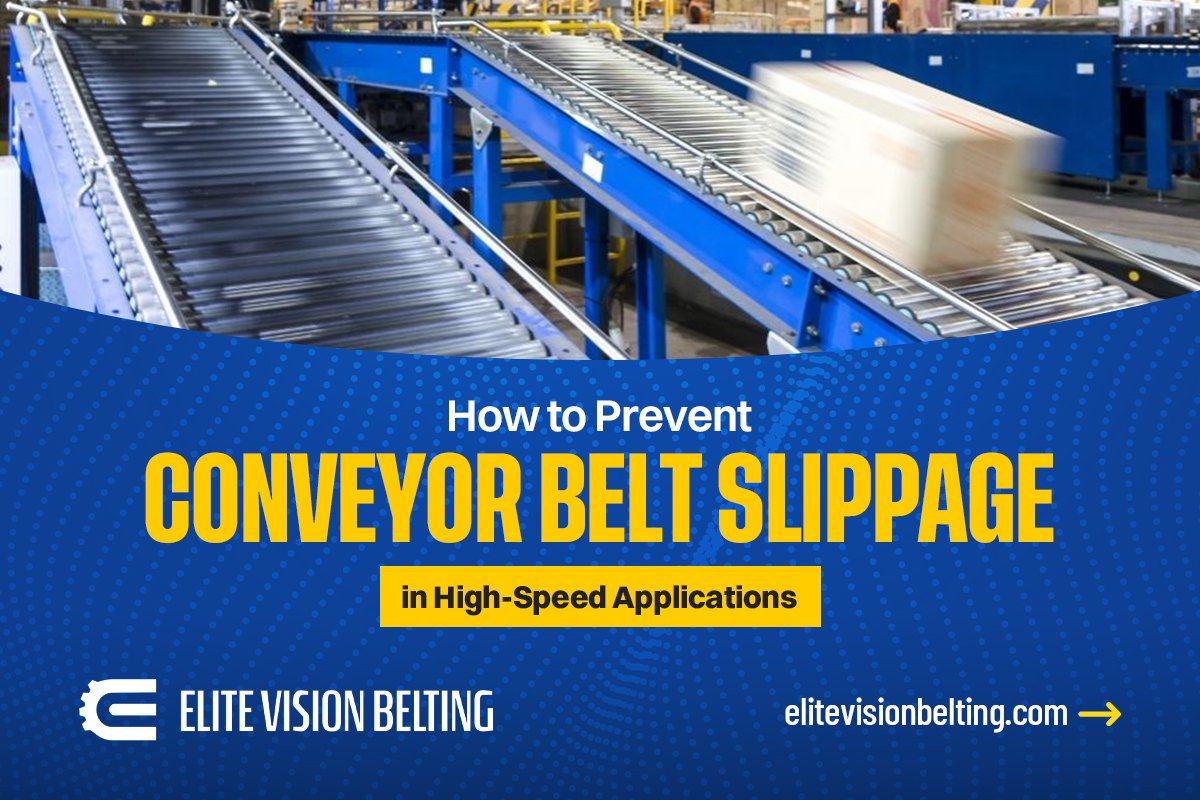
Conveyor belts are the primary workhorses of countless industries. They move products, raw materials, and waste with remarkable efficiency.
However, in high-speed applications, a common and frustrating issue can arise: conveyor belt slippage. This problem leads to downtime, reduced productivity, and increased maintenance costs.
Understanding the root causes and implementing effective preventative measures is primary for smooth operations.
The primary function of a conveyor system is to transport materials reliably. When slippage occurs, this primary function is compromised.
Let's explore the intricacies of conveyor belt slippage and how to prevent it, especially in demanding, high-speed environments.
Understanding the Mechanics of Slippage
Slippage happens when there isn't enough friction between the drive pulley and the conveyor belt. The drive pulley rotates, but the belt doesn't move at the same speed.
This can be compared to a car tire spinning on ice. The engine is working, but the car isn't going anywhere.
Several factors contribute to this lack of friction. Identifying these is the primary step in developing solutions.
Common Causes of Conveyor Belt Slippage
- Insufficient Belt Tension: This is arguably the most primary cause. If the belt isn't tensioned correctly, there won't be enough pressure between the belt and the drive pulley to generate the necessary friction. The belt simply can't grip.
- Worn Pulleys or Lagging: Pulley lagging, a rubber or ceramic covering on the drive pulley, significantly increases friction. If this lagging wears out or becomes damaged, its ability to grip the belt diminishes. Worn pulleys themselves can also contribute to the problem. This is a primary area to inspect during maintenance.
- Contamination: Grease, oil, water, or product spills on the belt or pulleys can drastically reduce friction. Even a small amount of contamination can make a big difference in high-speed scenarios. Keeping the system clean is a primary preventative measure.
- Overloading the Conveyor: Trying to move too much material, too heavy material, or material at too fast a rate can overwhelm the system. The motor might not have enough power to move the overloaded belt, leading to slippage. Proper loading is a primary operational concern.
- Improper Belt Selection: Not all belts are created equal. Some belts are designed for specific applications, loads, and speeds. Using a belt not suited for high-speed operation can lead to slippage. Consulting with a reputable conveyor belts manufacturer is primary here.
- Drive System Issues: Problems with the motor, gearbox, or drive coupling can affect the power transfer to the drive pulley. If the drive system isn't delivering consistent torque, slippage can occur. This makes the drive system a primary component to monitor.
- Environmental Factors: Humidity, extreme temperatures, and abrasive dust can all impact belt and pulley performance. These factors can reduce friction or accelerate wear. Considering the environment is a primary aspect of system design.
Strategies for Preventing Slippage in High-Speed Applications
Preventing slippage in high-speed conveyor systems requires a multi-faceted approach. It's not about fixing one thing; it's about optimizing the entire system.
- Maintain Optimal Belt Tension:
- Regular Checks: Implement a schedule for regularly checking and adjusting belt tension. This is the primary line of defense against slippage.
- Automatic Tensioning Systems: For high-speed or critical applications, consider automatic tensioning systems. These systems maintain consistent tension, compensating for belt stretch and other factors. This automation is a primary improvement.
- Follow Manufacturer Guidelines: Always adhere to the tensioning specifications provided by the conveyor belts manufacturer.
- Invest in High-Quality Lagging and Pulley Maintenance:
- Choose the Right Lagging: For high-speed applications, consider ceramic lagging. It offers superior friction and wear resistance compared to rubber, especially in wet or dirty conditions. Rubber lagging with a diamond pattern can also be effective.
- Regular Inspection: Routinely inspect drive pulleys and lagging for wear, damage, or buildup. Replace worn lagging promptly.
- Keep it Clean: Ensure pulleys are free from material buildup. Scrapers and cleaners are primary tools for this.
- Implement Effective Cleaning Regimes:
- Belt Scrapers: Install high-performance belt scrapers at the discharge point and return side of the belt. These remove carryback, preventing buildup on pulleys and rollers.
- Wash-Down Systems: In very dirty or wet environments, consider automated wash-down systems to keep the belt and pulleys clean.
- Spill Prevention: Design the system to minimize spills. Proper chute design and transfer points are primary in this regard.
- Ensure Proper Belt Selection:
- Consult Experts: Work closely with a reputable conveyor belts manufacturer to select the right belt material, construction, and cover compounds for your specific high-speed application. Factors like tensile strength, abrasion resistance, and coefficient of friction are primary considerations.
- Specialized Belts: Some belts are designed with textured surfaces or specific compounds to enhance grip in high-speed or challenging conditions.
- Optimize Loading and Speed:
- Avoid Overloading: Ensure the conveyor capacity matches the material flow. If production increases, re-evaluate the conveyor system's capabilities.
- Smooth Acceleration: Implement control systems that allow for gradual acceleration of the belt. Sudden starts can cause momentary slippage.
- Appropriate Speed: While the goal is high speed, ensure the speed is within the operational limits of the belt and drive system. Pushing limits can lead to issues. This balance is a primary operational challenge.
- Regular Maintenance and Inspection:
- Preventative Maintenance Schedule: Develop and stick to a comprehensive preventative maintenance schedule. This includes inspecting idlers, rollers, bearings, and the drive system. This is primary to identifying potential problems before they become critical.
- Component Checks: Pay close attention to motor health, gearbox condition, and coupling alignment. Any anomalies here can impact power transfer and lead to slippage.
- Advanced Monitoring Systems:
- Slippage Detection Sensors: Install sensors that can detect belt slippage. These can trigger alarms or even shut down the system automatically, preventing further damage or safety hazards. This real-time monitoring is a primary advantage.
- Tension Monitoring: Systems that continuously monitor belt tension can provide early warnings of potential issues.
The Role of a Reputable Conveyor Belts Manufacturer
Choosing the right conveyor belts manufacturer is crucial. A good manufacturer will not only supply high-quality belts but also offer expertise in system design, material selection, and troubleshooting. They can provide insights into:
- Primary belt materials suitable for high-speed, high-stress applications.
- Primary lagging options that enhance friction and durability.
- Primary tensioning mechanisms and recommendations.
- Primary best practices for installation and maintenance.
They are partners in ensuring your conveyor system's long-term success.
Conclusion
Conveyor belt slippage in high-speed applications is a problem that can cripple productivity. However, by understanding its primary causes and implementing a proactive approach to prevention, businesses can ensure their conveyor systems operate efficiently and reliably. Regular maintenance, proper belt and pulley selection, effective cleaning, and optimal tensioning are all primary components of a robust prevention strategy. By investing in these areas, and partnering with experienced conveyor belts manufacturer, companies can safeguard their operations and maximize their return on investment.
Contact Elite Vision Belting for more info and quotes.
