

.webp)

In any manufacturing or logistics environment, the conveyor system is the heartbeat of operations. Whether you are in the food and beverage industry, packaging industry, or textile industry, a smooth-running belt is essential for productivity.
However, one of the most frustrating challenges engineers face is a belt that won't stay centered.
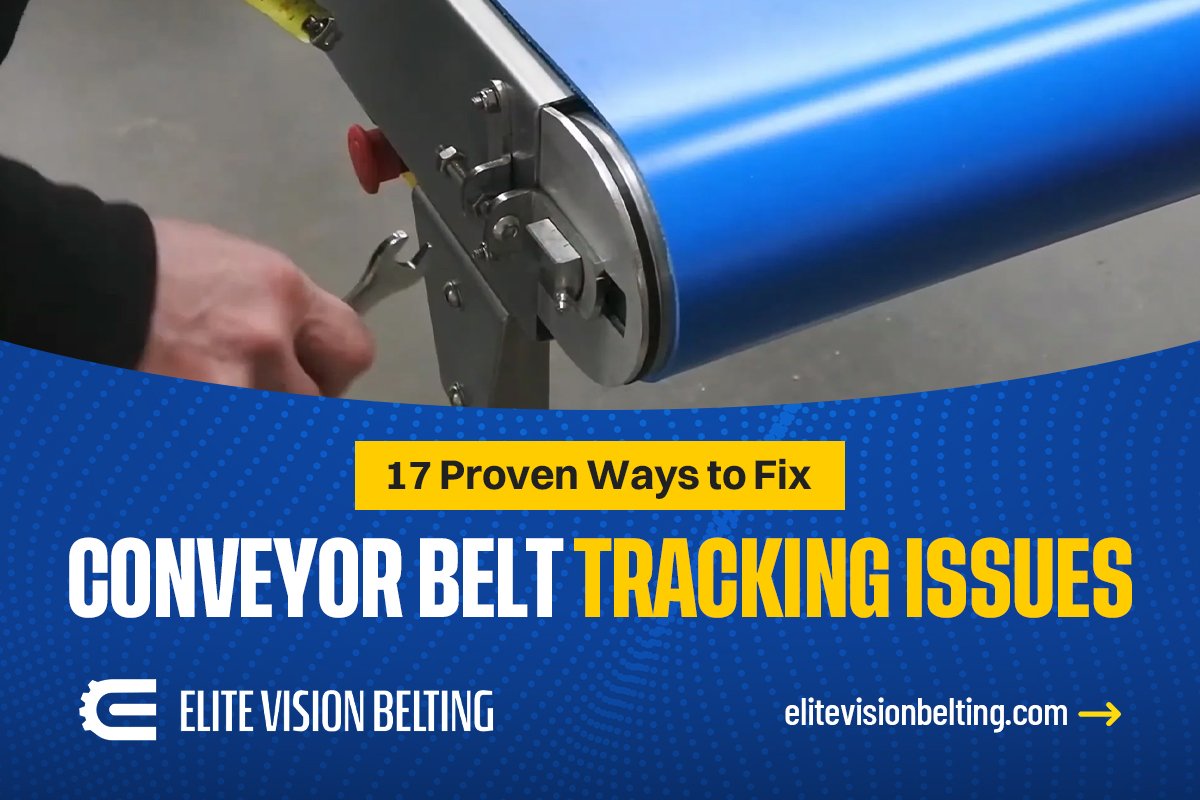
Conveyor belt tracking also known as belt training is the process of adjusting the belt to run straight on the structure. If left unaddressed, mistracking can lead to edge damage, material spillage, and even complete system failure.
In this guide, we will explore 17 proven ways to fix conveyor belt tracking issues to keep your facility running at peak efficiency.
1. Check for Material Build-up
One of the most common conveyor belt problems is the accumulation of debris. If material gets stuck on the underside of the belt or on the rollers, it changes the diameter of the pulley, causing the belt to "climb" toward the side with the build-up.
Regular cleaning is essential, especially in the chocolate industry or meat and poultry industry, where sticky residues are common.
2. Ensure the Frame is Level and Square
Before blaming the belt, look at the structure. A conveyor frame that is warped, tilted, or out of square will never allow for proper tracking. Use a laser level to ensure the frame is perfectly horizontal. If you are working with pvc conveyor belts, even a slight misalignment in the frame can lead to significant drifting.
3. Squaring the End Pulleys
The head and tail pulleys must be parallel to each other and perpendicular to the center line of the belt. If one side of the pulley is further forward than the other, the belt will naturally pull toward the side with less tension. This is a critical step in conveyor belt tensioning techniques.
4. Inspect the Belt Splice
A "crooked" splice is a leading cause of mistracking. If the belt was not cut perfectly square before being joined, it will have a permanent "bow" or "camber." If you notice the belt swinging back and forth at the same spot every revolution, you likely need to repair the broken conveyor belt by re-splicing it.
5. Use Snub Pulleys
Snub pulleys are used to increase the "wrap" or contact area of the belt around the drive pulley. By increasing this contact area, you gain more control over the belt’s path. This is particularly useful for rubber conveyor belts that carry heavy loads in the plywood and marble industry.
6. Adjust the Idlers (The "Rule of Thumb")
Think of idlers like the steering wheel of a car. By slightly angling an idler, you can guide the belt back to the center. Remember: the belt always moves toward the side it touches first. Adjusting idlers is a core part of predictive maintenance for conveyor belts.
7. Check for Correct Belt Tension
A belt that is too loose will wander aimlessly. Conversely, a belt that is too tight can cause pulley shafts to bend. Finding the "Goldilocks" zone of tension is vital. For specialized applications like treadmill belts, refer to our guide on the best treadmill belt material to understand how tension affects different fabrics.
8. Ensure Proper Loading
How material is placed on the belt matters. If the load is consistently hitting the belt on one side, it will push the belt toward the opposite side. Centered loading is critical in the bakery industry and vegetable industry to maintain hygiene and tracking.
9. Utilize Crowned Pulleys
Crowned pulleys have a slightly larger diameter in the middle than at the edges. Because belts naturally want to climb to the highest point of a pulley, the "crown" helps center the belt. This works exceptionally well for flat belts and lightweight pu conveyor belts.
10. Install Belt Training Idlers
Automatic tracking idlers (or "trainers") pivot and tilt in response to the belt's movement. If the belt shifts, the trainer reacts immediately to steer it back. This is a "set and forget" solution often used in the spinning industry and paper industry.
11. Inspect Rollers for Seizing
A frozen or stuck roller creates friction that can pull the belt to one side. During your conveyor maintenance checklist routine, ensure all rollers spin freely. This is especially important for modular conveyor belts where many small parts must move in sync.
12. Check for Environmental Factors
Is there a strong draft in your facility? High-velocity fans or heaters near a conveyor can actually influence belt tracking, especially with lightweight pvc vs pu conveyor belts. Ensure your sheet cutter conveyor is shielded from external wind or heat.
13. Evaluate Belt Storage and Handling
If a belt was stored improperly—perhaps stood on its end rather than laid flat—it can develop a "edge stretch." This permanent deformity makes tracking impossible. Always follow hygienic belt storage practices to preserve the belt's integrity.
14. Add Lagging to Pulleys
Pulley lagging—a rubberized coating on the pulley—increases the coefficient of friction. This "grip" prevents the belt from slipping and sliding laterally. It is highly recommended for cleated conveyor belts used in steep inclines.
15. Check for Squareness of the "V-Guide"
Many belts use a "V-guide" on the bottom to keep them in a groove. If the groove in the pulley or the guide on the belt is damaged, it will cause jumping or mistracking. This is common in the bottling industry where precision is key.
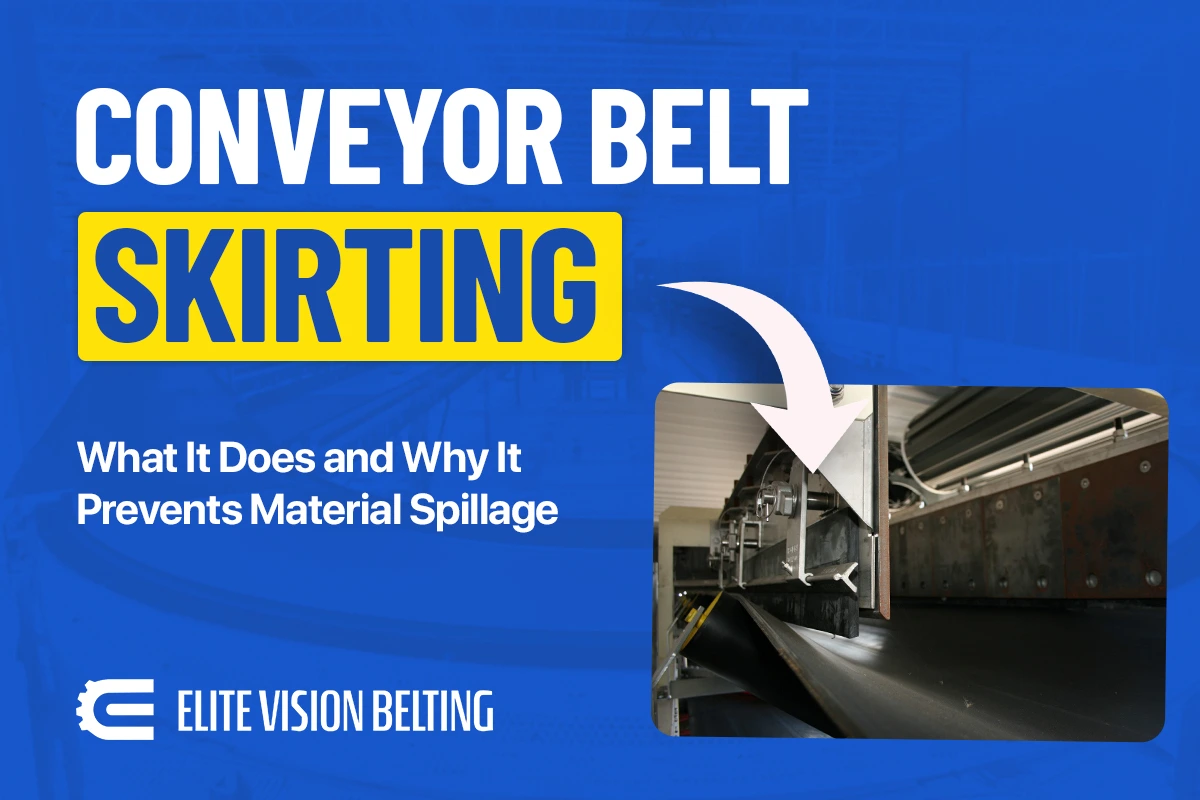
16. Use Skirting Properly
Skirting at the loading point should not be used to "force" the belt to stay centered. If the skirting is too tight against the belt, it creates uneven friction. Learn more about improving conveyor belt lifespan with coating and skirting to avoid this trap.
17. Professional Re-Calibration
Sometimes, DIY fixes aren't enough. If you’ve tried everything and the belt still wanders, it might be time for a professional setup. Comparing conveyor belt tracking DIY vs professional setup can help you decide when to call in the experts.
Why Proper Tracking Matters
Correct tracking isn't just about avoiding annoyance; it's about safety and cost-savings. A mistracking belt is a safety hazard that can lead to accidents. Following conveyor belt safety best practices is the responsibility of every plant manager.
Moreover, a well-tracked belt lasts longer. If you want to extend the lifespan of your conveyor belt, tracking is the first place to start.
Industry-Specific Solutions
- Tobacco Industry: Use anti-static conveyor belts to prevent dust ignition while maintaining tracking.
- Pharma Plants: Ensure your belts meet FDA conveyor belt safety standards.
- Textiles: In the woolen industry or spinning industry, use specialized condenser tapes designed for high-speed tracking.
Conclusion
Solving conveyor belt tracking issues requires a systematic approach. Start with the basics cleaning and leveling before moving to mechanical adjustments like idler tilting or pulley crowning.
Elite Vision Belting provide high-quality products and custom conveyor belts tailored to your specific industrial needs. Whether you need a rough top conveyor belt for grip or a heat resistance belt for extreme conditions, we have the expertise to help you stay on track.
For more technical tips and industry insights, visit our blog or contact us today for a consultation.
